Is It Safe to Swim? Checking UK Water Quality & Sewage
The short answer: Before you swim, check the spot's official Environment Agency bathing water rating, look for any in-season pollution risk warning, and steer clear for 24 to 48 hours after heavy rain at affected sites. Wild Swim Map shows the official water-quality rating for every spot, so you can check in seconds before you go.
Wild swimming in the UK has never been more popular, and the question on everyone's lips is a sensible one: is the water actually safe to get into?
The honest answer is "usually, but it depends". It depends on the spot, the recent weather, and whether you know how to check. This guide shows you exactly how, using free official tools and a couple of simple rules of thumb.
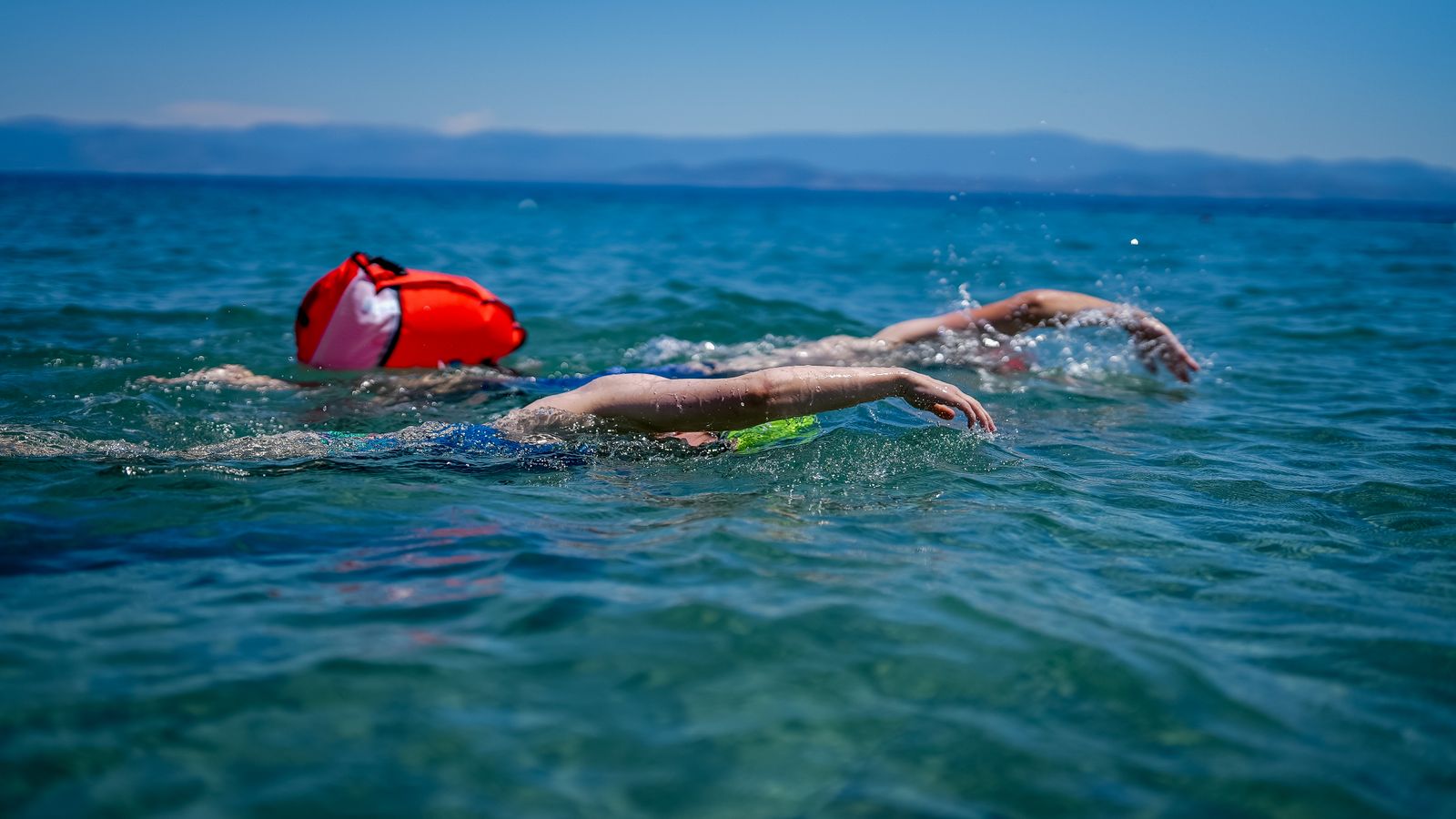
Why water quality matters
The risk from a dip in dodgy water is mostly biological, not chemical. When sewage, farm runoff or road pollution enters water, it brings bacteria with it.
The two the authorities actually test for are E. coli and intestinal enterococci. They're "indicator" bacteria: their presence flags that faecal contamination, and the nastier pathogens that can travel with it, may be there too.
The most common consequence of swallowing contaminated water is gastroenteritis, a stomach upset with diarrhoea, vomiting and cramps. Ear, eye, throat and skin infections are also possible. Studies of open-water swimmers have linked illness to how much water people unintentionally swallow, with confirmed causes including Campylobacter, Giardia and certain strains of E. coli.
The official ratings, explained
Every summer the Environment Agency classifies England's designated bathing waters into four categories, based on four years of bacteria monitoring during the official bathing season (15 May to 30 September). Here's what each one means for you as a swimmer.
| Rating | What it means | For swimmers |
|---|---|---|
| Excellent | The highest standard. Bacteria levels were consistently very low across years of testing. | The safest category. Still check the daily forecast after heavy rain. |
| Good | Comfortably meets the standard, with low bacteria levels most of the time. | Reassuring. Treat the same way: mind the weather. |
| Sufficient | Meets the minimum legal standard, but with more variability. | Generally OK, but be more weather-aware and consider checking live alerts. |
| Poor | Fails the minimum standard. Advice against bathing is usually displayed on site. | Best avoided, especially for children, and after rain. |
A vital caveat: a rating describes a spot's typical water quality over years, not what's in the water today. An "Excellent" beach can still have a bad day after a downpour, which is why the daily, in-season forecast matters too.
Sewage and storm overflows: why rivers are often worse
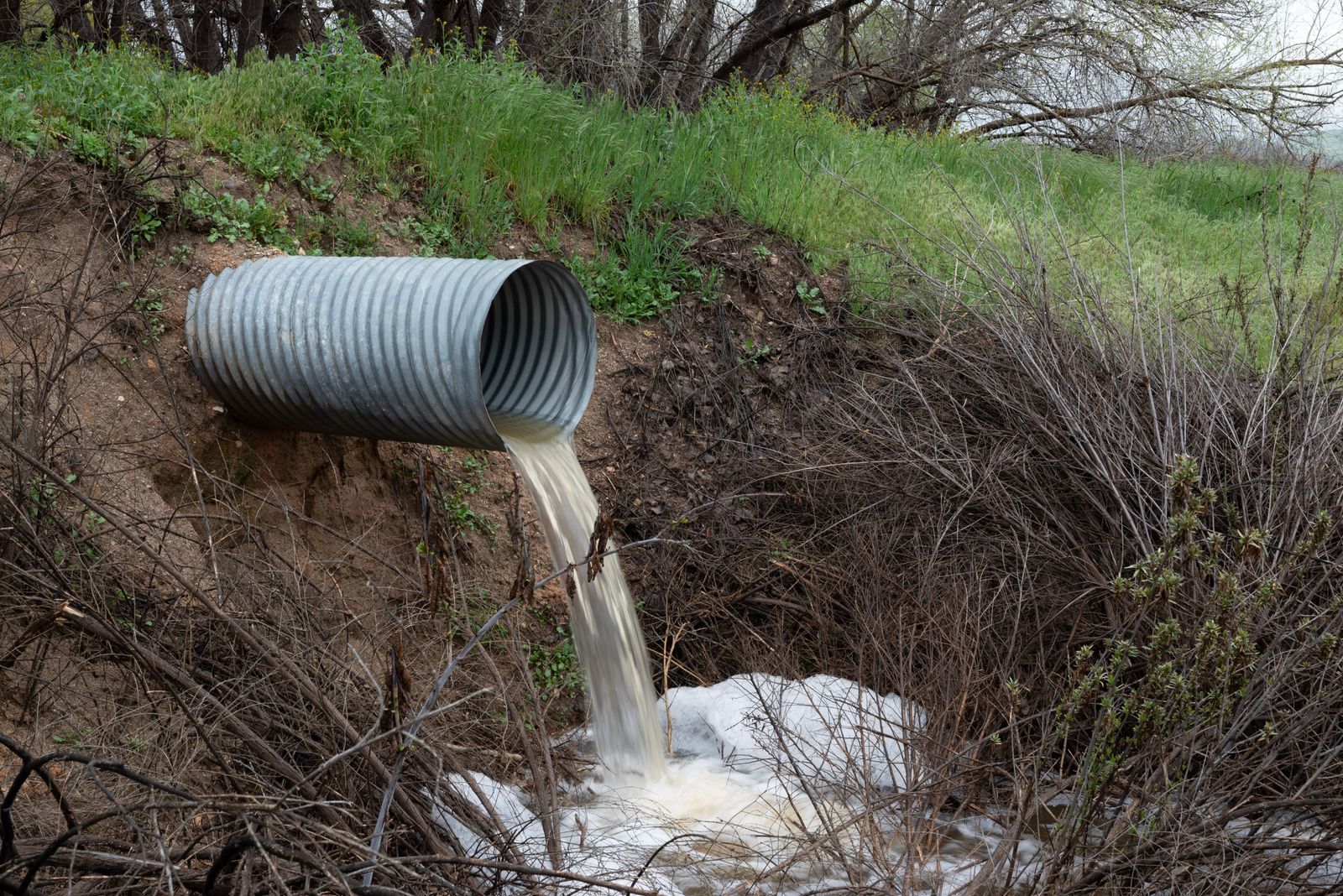
Much of the UK uses a combined sewer system, where rainwater and sewage share the same pipes. When heavy rain overwhelms the system, "storm overflows" are designed to spill the diluted excess into rivers and the sea rather than back up into homes.
That relief valve is exactly why heavy rain is the riskiest time to swim. Rainfall also washes farm and road pollution off the land. So the same downpour hits the water from two directions at once.
Here's the insight a lot of swimmers miss. Rivers, lakes and estuaries are far less diluted than the open coast, so when contamination enters them the concentration of bacteria tends to be higher and lingers longer.
The data backs this up. In the latest (2025) Environment Agency classifications, England had 451 designated bathing waters; of the 449 that received a rating, 297 were Excellent, 95 Good, 25 Sufficient and 32 Poor. Wild Swim Map's analysis of the EA data shows that the inland river, lake and estuary spots are disproportionately likely to be rated Poor compared with coastal sites. Many of the worst results came from newly designated inland waters that simply haven't been managed to bathing-water standards before.
How to actually check before YOU swim
You don't need to be an expert. Here's a quick, reliable routine using free tools.
- Check the official rating first. The Environment Agency's bathing water service (often called "Swimfo") lists the classification for every designated bathing water in England. Wild Swim Map pulls this in so every spot on the map already shows its official EA rating, no separate lookup needed.
- Check the in-season pollution risk forecast. During the bathing season the EA issues daily pollution risk forecasts using weather, tide and swell data. When risk is high, "advice against bathing" is posted — do heed it.
- Check live sewage alerts. Surfers Against Sewage's free Safer Seas & Rivers Service app sends real-time alerts when nearby storm overflows discharge, covering hundreds of UK locations. It's the closest thing to a live "is it spilling right now?" signal.
- Apply the rain rule. As a rule of thumb, wait 24 to 48 hours after heavy rain before swimming at an affected spot. That's the window when overflows are most likely to have spilled and bacteria levels peak.
Run through those, and you've done more due diligence than the vast majority of swimmers. Our safety page keeps these tools in one place.
What to do if you swim somewhere unrated
Most of the UK's beautiful swim spots aren't designated bathing waters, which means they aren't routinely tested. That doesn't make them unsafe, it just means the responsibility shifts to you.
- Look upstream and around. Sewage works, storm overflow outfalls, intensive farmland and urban drains all raise the odds of contamination.
- Mind the weather. The rain rule matters even more where there's no monitoring to warn you.
- Swim clean. Keep your head up where you can, try not to swallow water, and cover open cuts with a waterproof plaster.
- Use your senses. Strong sewage smells, grey or foaming water, scummy films or lots of litter are all reasons to skip it.
- Rinse and wash afterwards, especially your hands before eating.
On Wild Swim Map you can see at a glance whether a spot carries an official EA rating or sits outside the monitored network, so you know how much to trust the water and how much to use your own judgement.
Should illness stop you swimming altogether?
For most healthy adults, the occasional mild stomach upset is the realistic worst case, and it's avoidable with the precautions above. Open-water swimming brings genuine benefits for fitness and wellbeing, and millions do it safely every year.
Take more care if you're swimming with young children, are pregnant, or have a weakened immune system, and if you do feel unwell after a swim, mention the swim to your GP. You can also log a health report in the Safer Seas app, which helps build the evidence base on sewage and public health.
The goal isn't fear, it's a thirty-second habit: check the rating, check the forecast, respect the rain. Do that, and you can get in with confidence.
Frequently asked questions
Is it safe to swim in UK rivers and the sea right now?
Often yes, but it depends on the spot and the weather. Check the Environment Agency's bathing water rating for the location, look at any in-season pollution risk forecast, and avoid swimming for 24 to 48 hours after heavy rain at affected spots, when storm overflows are most likely to have discharged. Wild Swim Map shows the official rating for every spot so you can check before you go.
Can I swim after heavy rain?
It's the riskiest time. Heavy rain can overwhelm sewers and trigger storm overflows, washing diluted sewage, agricultural runoff and road pollution into rivers and the sea. As a rule of thumb, wait 24 to 48 hours after heavy rainfall before swimming at an affected spot, and check live alerts via Surfers Against Sewage's Safer Seas & Rivers Service first.
What does an 'Excellent' bathing water rating actually mean?
It means that over four years of monitoring during the bathing season, levels of the indicator bacteria E. coli and intestinal enterococci were consistently very low — the safest of the four categories. It does not guarantee clean water on any given day, especially after heavy rain, so still check the daily pollution risk forecast in season.
Are rivers more dangerous to swim in than the sea?
On average, yes, for water quality. Rivers are less diluted than open coast, so when sewage or runoff enters them the concentration of bacteria tends to be higher. Wild Swim Map's analysis of the latest EA classifications shows inland river, lake and estuary bathing waters are disproportionately likely to be rated Poor compared with coastal sites.
What illnesses can you catch from polluted water?
The main risk is gastroenteritis — an upset stomach with diarrhoea, vomiting and cramps — usually from swallowing contaminated water containing bacteria like E. coli, or pathogens such as Campylobacter and Giardia. Ear, eye, skin and throat infections are also possible. Most cases are mild, but the risk rises with the amount of water swallowed.
How do I check water quality at a spot that isn't an official bathing water?
Unrated spots aren't routinely tested, so treat them with extra caution. Check upstream for sewage works, storm overflows or farmland, avoid swimming after heavy rain, keep your head up and don't swallow the water, and cover any cuts. Wild Swim Map flags whether a spot carries an official EA rating or not.
Is the water cleaner at low tide or high tide?
It varies by location, which is why the Environment Agency factors tide, wind and swell into its daily pollution risk forecasts during the bathing season. There's no universal rule, so check the forecast for your specific spot rather than relying on the tide alone.