What to Wear Wild Swimming: Wetsuit, Robe & Cold-Water Kit
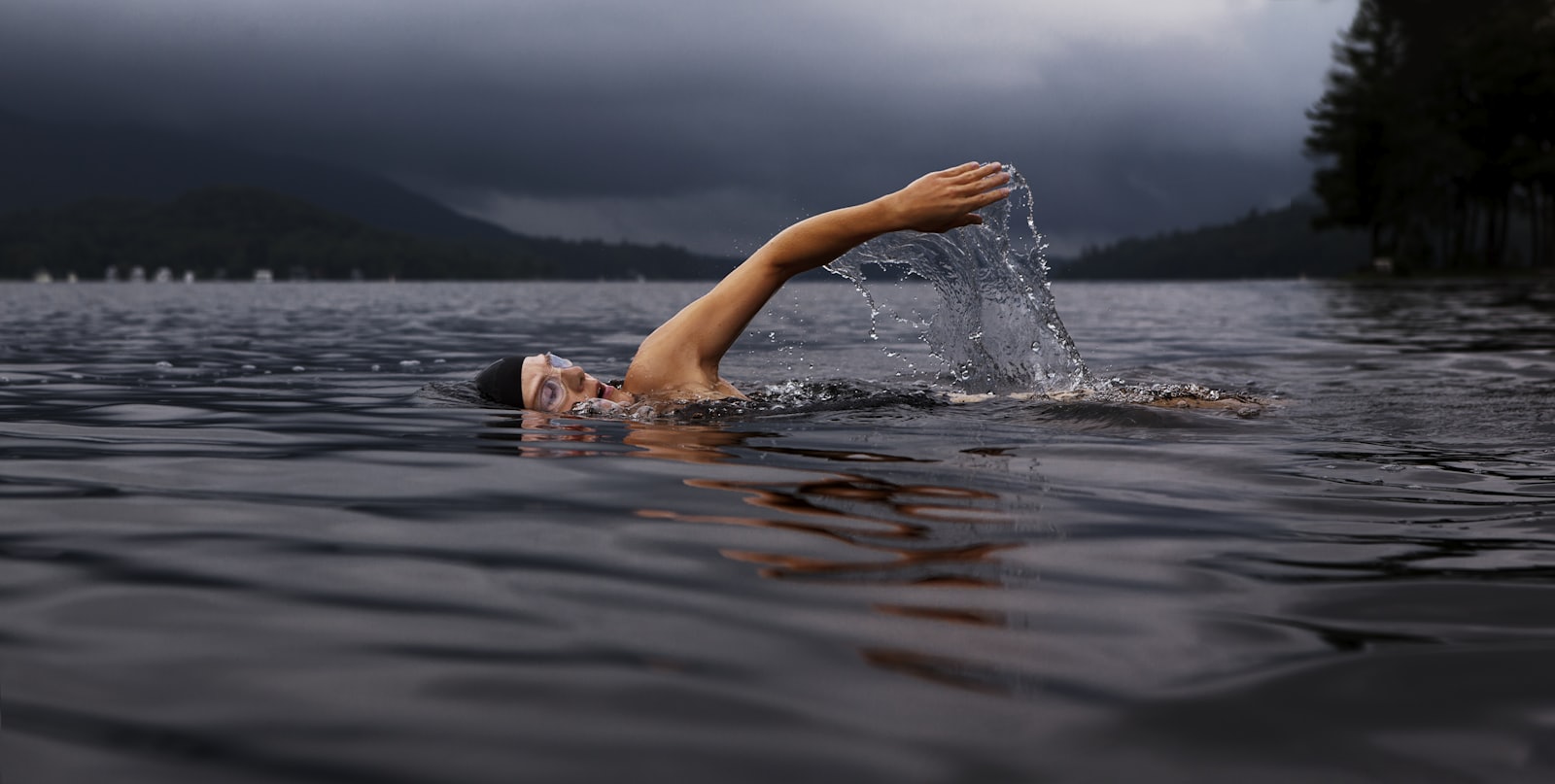
The short answer: for a UK wild swim you need to be warm enough and easy to see. That means, at minimum, a swimming costume, a bright swim cap and a way to warm up fast afterwards. Most beginners then add a tow float for visibility and either a wetsuit for warmth in the water or a changing robe for warmth out of it. You don't strictly need a wetsuit, but you do need a plan for getting warm again.
Cold water is the whole point of wild swimming, and also the thing that can catch you out. Most UK lakes, rivers and beaches sit below 15°C for much of the year, which is cold enough to trigger cold-water shock: a sudden, involuntary gasp and a spike in breathing and heart rate when you first go in. The right kit won't remove that risk, but it makes you warmer, more buoyant, more visible and more comfortable, which means you make better decisions and have a far nicer time. This guide walks through what's genuinely worth wearing and buying, honestly, for someone just starting out. If you're still choosing where to go, our interactive map is a good place to find a spot near you, and our safety notes are worth a read before your first dip. This page is about what you wear; for the full shopping list including tow floats, footwear, flasks and cold-water extras, see our complete wild swimming gear guide.
Wetsuit vs changing robe: the big two
If you only think about two purchases, make them the wetsuit and the changing robe, because they solve two different problems. A wetsuit keeps you warm while you're in the water and adds buoyancy, letting you stay in longer and float more easily. A changing robe keeps you warm after you get out, which matters more than beginners expect.
Here's the bit people don't realise: your core keeps cooling after you leave the water. The Outdoor Swimming Society describes this as afterdrop — cold blood from your skin and limbs returns to your core once you're back on land, so you can actually feel coldest around ten minutes after your swim. Getting dry and into warm, windproof layers quickly is the single best thing you can do, and a robe is built exactly for that. So the honest framing is: the wetsuit is optional, but a fast way to warm up afterwards is not.
Do you actually need a wetsuit?
No. This is worth saying plainly because a lot of gear marketing implies otherwise. Plenty of experienced swimmers swim "skins" — just a costume — year-round, and most people start their cold-water journey in a costume in summer. A wetsuit is a comfort and confidence aid, not a safety requirement and not the law.
What a wetsuit does give you is warmth and buoyancy, which let you stay in longer and feel calmer — genuinely valuable when you're learning. What it doesn't do is make cold water safe.
In fact a wetsuit can mask how cold you're getting and tempt you to stay in too long, so the same rules apply either way: get in slowly, start with short dips close to the shore, and build up over weeks rather than days. If you'd rather not spend much at the start, swim in a costume in the warmer months and put the money towards a robe and a tow float instead — you can always add neoprene later.
Choosing a wetsuit (if you want one)
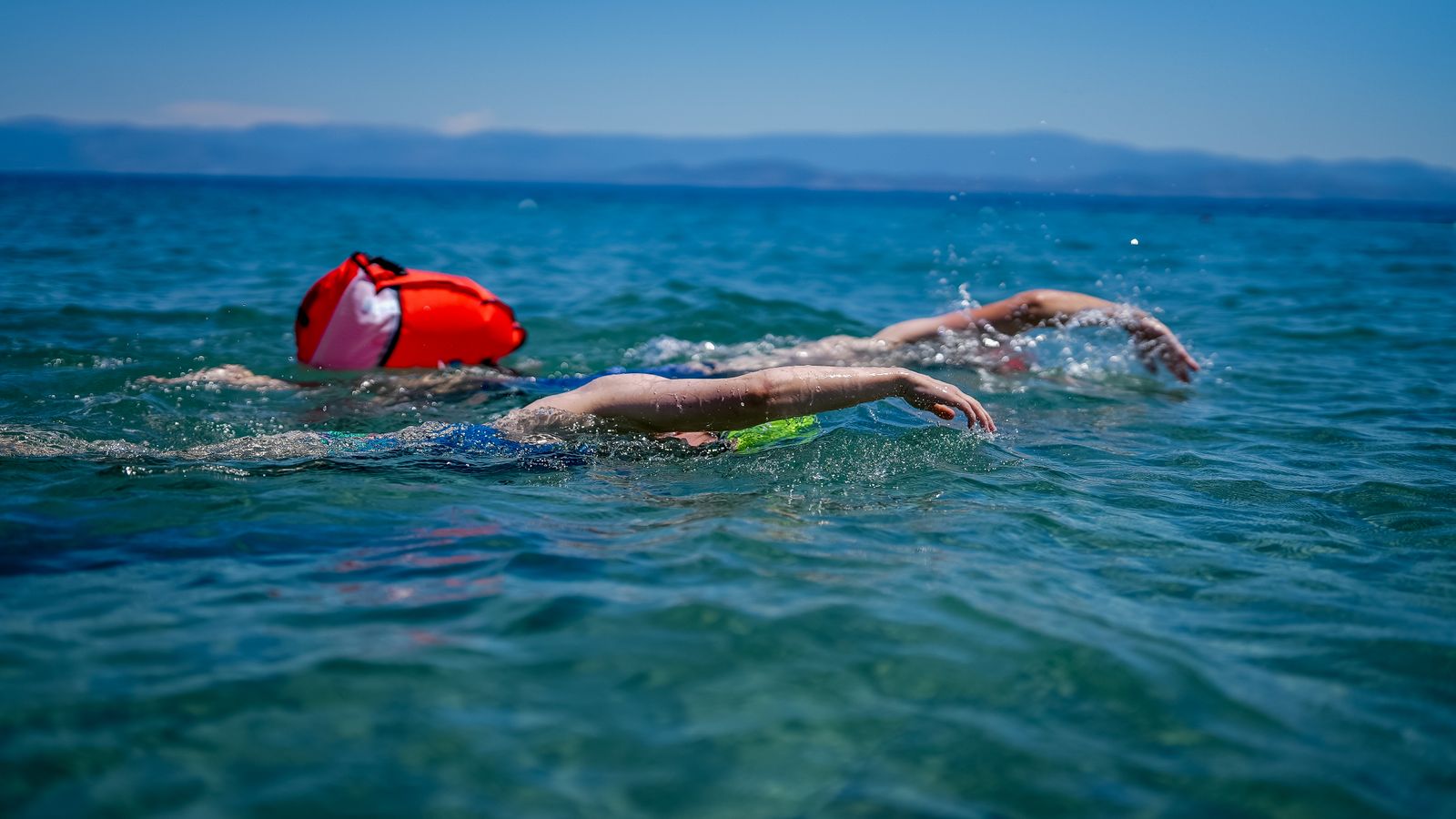
The most common mistake is buying a thick surf wetsuit for swimming. Surf suits are stiffer through the shoulders and aren't cut for repetitive front-crawl movement. A dedicated open-water swimming or triathlon wetsuit has thinner, stretchier neoprene across the shoulders and chest, and often more buoyant panels at the hips and legs to lift them into a good swimming position. That's the category to look for.
Thickness for UK water
Wetsuits are usually labelled with two numbers, like 5/3 — roughly 5mm of neoprene on the torso and 3mm on the more flexible limbs. As a rough guide for UK conditions:
| Water & season | Rough wetsuit guide |
|---|---|
| Warm summer water | Around 3mm — a thicker suit can feel like too much |
| Cool water / year-round all-rounder | Around 5mm core (e.g. 5/3) |
| Cold winter swims | 5mm core, plus neoprene gloves, boots and a hood |
These are general guides, not precise rules — how warm you run, how long you stay in and how exposed the spot is all matter. If you'll only ever buy one, a swimming-specific suit around 5mm on the core covers most of the UK year. Shop for a good open-water wetsuit in the swimming or triathlon category, not the surf rail.
Fit
Fit matters as much as thickness. A wetsuit should be snug everywhere, like a firm handshake, with no loose pockets at the lower back, armpits or behind the knees where cold water can flush through and chill you. It should feel slightly tight on land — neoprene gives a little once wet — but never so tight it restricts your breathing or shoulder reach. If you're between sizes, follow the manufacturer's chart by height and weight, and try before you commit where you can.
Changing robes
A waterproof changing robe is the kit beginners are most often surprised they love. It does three jobs at once: it lets you change in public with privacy, it shields you from wind and rain (which strip heat fast when you're wet), and it traps warmth while your body recovers from afterdrop. After a winter swim, getting into a robe quickly genuinely changes how the rest of your day feels.
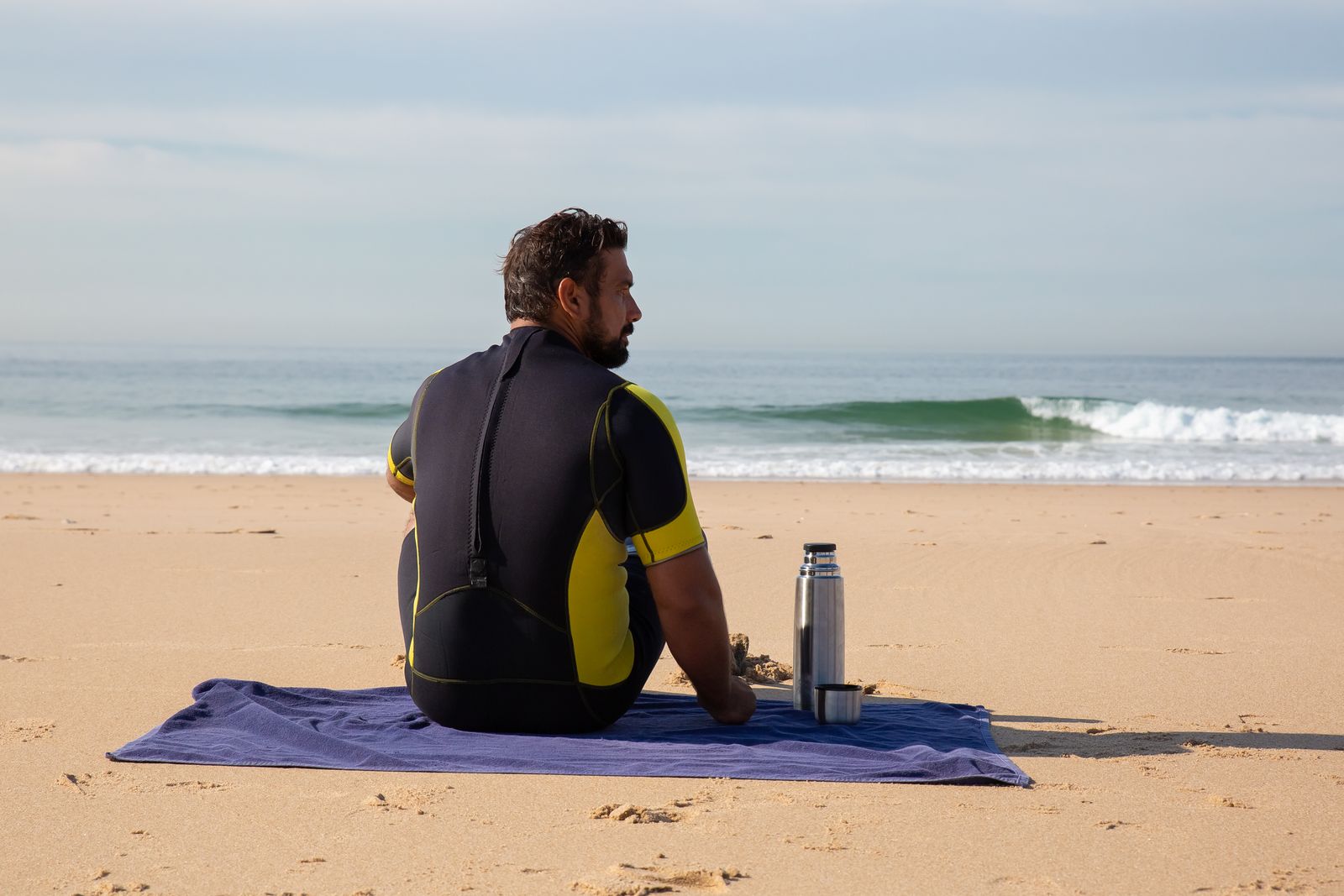
The premium robes are lovely but not essential. The feature that actually matters is a windproof, water-resistant outer with a warm fleece or fluffy lining. If the well-known brands are out of budget, a budget changing robe does the same core job, and even a large towelling poncho plus warm layers will get you started. Pair it with a changing mat so you're not standing barefoot on cold, gritty ground while you dress.
Be seen, be safe: visibility kit
Being visible is a safety issue, not a vanity one. Open water is shared with boats, paddleboards and other swimmers, and a head in choppy grey water is surprisingly hard to spot.
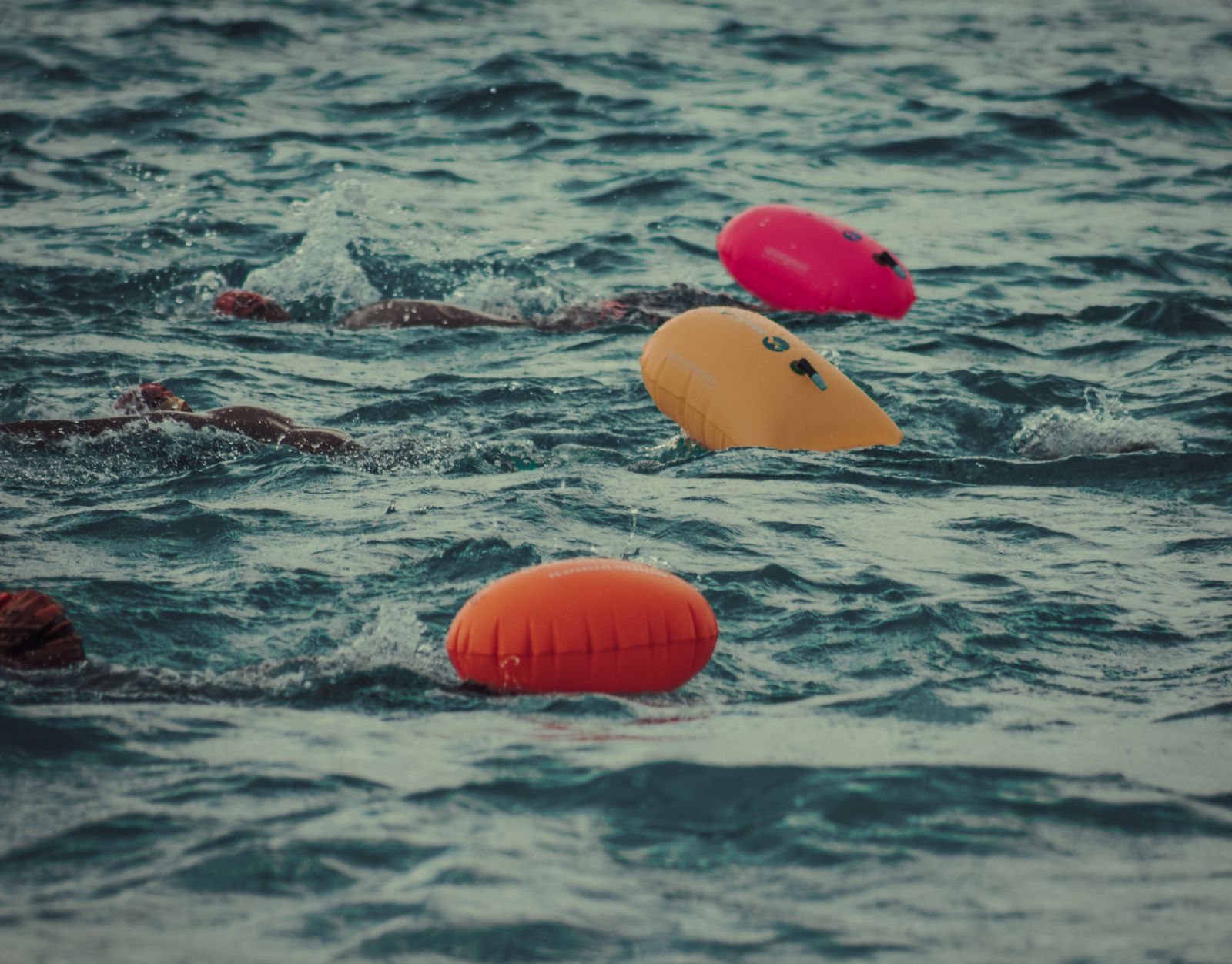
- Bright swim cap: a cheap, high-vis swim cap in orange, pink or yellow is the easiest win there is. It also keeps a little warmth in.
- Tow float: a tow float is a brightly coloured inflatable buoy you clip to a belt and trail behind you. To be clear, it is not a lifejacket and won't stop you drowning — but it makes you far easier to see, and gives you something to grab and rest on if you tire. Many have a dry pocket for keys and a phone, which is a bonus.
Cold-season extremities: gloves, boots and hoods
When the water drops into single figures, your hands, feet and head are what turn a swim from "brisk and lovely" to "miserable". They lose heat quickly and, worse, lose dexterity — cold, fumbling hands make getting out and dressed harder, exactly when you want to be quick.
- Neoprene gloves: a pair of neoprene gloves keeps your hands working in winter. Most swimmers find these the first cold-season upgrade worth making.
- Neoprene boots: swim boots add warmth and, just as usefully, protect your feet on rocky, muddy or shingle entries.
- Hood or thermal cap: you lose noticeable heat from your head and neck, so a neoprene swim hood can dramatically extend how long a winter dip feels comfortable.
As always: warmer extremities let you enjoy cold water, but they don't make it safe. Keep winter swims short and never chase a longer time just because you can't feel the cold.
Goggles
For open water, look for open-water goggles with a slightly wider field of vision than pool racing goggles, so you can sight landmarks and keep an eye on other swimmers. Lens tint is worth a thought: mirrored or tinted lenses cut glare on bright days, while clear or low-light lenses suit overcast UK conditions and dawn swims. Above all they should seal comfortably without being painfully tight, and it's worth defogging them before you get in. If you swim in varied light, owning two tints is a small luxury that pays off.
Nice-to-haves
- Dry bag: a dry bag keeps your phone, keys and dry clothes safe whether they're in your tow float or waiting on the bank. Look for a roll-top closure.
- Changing mat: a simple changing mat keeps your feet off cold, sharp ground and your kit out of the mud while you dress.
- Ear plugs: repeated cold water in the ear is linked to surfer's ear (bony growths in the ear canal) over the years, and cold water on the eardrum can cause a jolt of dizziness. A cheap pair of swimming ear plugs deals with both.
- Waterproof phone pouch: a waterproof pouch on a lanyard lets you keep your phone with you in the water — a safety win, and handy for checking the map at a new spot.
- Water thermometer: a floating thermometer tells you what you're actually getting into, which is far more useful than guessing as you acclimatise through the seasons.
Add a flask of something warm and a hat for afterwards, and your post-swim self will thank you.
Beginner starter kit: a simple list
If you're building up from nothing, this is a sensible order to buy in. You can start with just the first three.
- Swimming costume you're comfortable in
- A bright swim cap for visibility and a little warmth
- A towel or a budget changing robe and warm, windproof layers for afterwards
- A tow float for visibility and something to hold on to
- A dry bag for phone, keys and dry clothes
- Then, when you want to swim longer or through winter: a wetsuit, a proper changing robe, plus gloves, boots and a hood for the cold months
Once you have your kit, the best next step is to find a safe, popular spot. Have a look at the wild swim map to find places near you where other people swim.
A word on safety — kit isn't enough
No amount of kit makes cold water safe. Cold-water shock can affect anyone regardless of fitness — the involuntary gasp and loss of breathing control hits in the first minute in water below about 15°C. Get in slowly (never jump or dive), start with short swims close to shore, and never swim alone. If you get into trouble, the RNLI's advice is to Float to Live: lean back, relax and let the shock pass before you try to swim. And plan for afterdrop — your core keeps cooling after you're out, so get dry (pat, don't rub), wrap up in warm windproof layers and have a hot drink; if shivering turns violent or you feel confused, treat it as hypothermia and get help. Read our safety notes and the RNLI's advice in full before you head out. Gear keeps you warmer and more visible; good judgement keeps you safe.
Frequently asked questions
Do I need a wetsuit to wild swim?
No, you don't strictly need one. Plenty of people swim in just a costume ("skins"), especially in summer or for short cold-water dips. A wetsuit adds warmth and buoyancy, which lets you stay in longer and feel more confident, so many beginners prefer one. It's a comfort and confidence choice, not a requirement. Whatever you wear, build up your cold tolerance slowly and never let kit tempt you to stay in longer than is safe.
What thickness wetsuit do I need for UK water?
For year-round UK swimming, a dedicated open-water swimming wetsuit of around 5mm on the core is a sensible all-rounder; thinner suits (around 3mm) suit warmer summer water. Suits are often labelled with two numbers, like 5/3, meaning 5mm on the torso and 3mm on the limbs for flexibility. Choose a swimming or triathlon wetsuit rather than a thick surf wetsuit, as swimming suits are cut for shoulder movement. Aim for a snug fit with no big gaps that let water flush through.
Is a changing robe worth it?
For UK swimming, yes — a waterproof changing robe is one of the most useful things you can own. After a cold swim your core temperature keeps falling for a while (afterdrop), so getting warm and dry quickly matters. A robe lets you change in a car park or on a beach with privacy, blocks wind and rain, and traps warmth while you dress. Budget towelling versions exist if a premium robe is out of reach; the key feature is a windproof, water-resistant outer.
What is a tow float and do I need one?
A tow float is a brightly coloured inflatable buoy you clip to a waist belt and trail behind you. It does not stop you drowning and is not a lifejacket, but it makes you far easier to spot for boats, paddlers and fellow swimmers, and gives you something to hold and rest against if you tire. Many also have a dry pocket for keys and a phone. For open water it's strongly recommended, especially anywhere with boat traffic.
Should I wear gloves and boots for cold-water swimming?
In winter, most UK swimmers find neoprene gloves and boots make the difference between an enjoyable dip and painful hands and feet. Your extremities lose heat fast and lose dexterity in the cold, which makes getting out and dressed harder. Boots also protect your feet on rocky or muddy entries. A neoprene hood or cap helps too, as you lose noticeable heat from your head and neck. None of this makes cold water safe — it just keeps cold-season swimming bearable.
What goggles should a beginner buy?
For open water, choose goggles with a slightly wider field of vision than pool "racing" goggles so you can sight landmarks and other swimmers. Tinted or mirrored lenses help in bright glare; clear or low-light lenses suit grey UK days and dawn swims. Fit matters most: they should seal comfortably without being painfully tight. It's worth owning two tints if you swim in varied conditions, and defog them before getting in.
What is the cheapest way to start wild swimming?
You can start with almost nothing: a swimming costume, a towel and a bright swim cap so you're visible. Add a tow float for safety as your next buy, then a budget changing robe or a big towel and warm layers for afterwards. A wetsuit, neoprene gloves and boots can come later if you want to swim longer or through winter. Begin with short dips close to shore, never swim alone, and build up gradually rather than buying everything at once.